How To Sell Coaching Sessions Online
A practical workflow to sell coaching sessions online: clarify your offer, research demand, choose a delivery stack, package sessions, and take bookings.
Bento Team · October 13, 2026
TL;DR
- Start with one audience and one offer before you pick tools.
- Talk to ideal clients so you do not invent packages in isolation.
- Choose an owned site stack or an all-in-one based on control versus speed.
- Package sessions, then connect scheduling, payments, and delivery before you market.
Selling coaching sessions online is less about finding a fancy platform and more about a clear offer, a researched audience, and a delivery path clients can trust. This workflow walks you from positioning through bookings, payments, and delivery so you can sell sessions without juggling disconnected tools.
Clarify your offer and singular audience
Before you build a sales page, pick a singular target audience for each offer. A focused client profile makes messaging sharper and helps you design sessions that solve one clear problem instead of trying to serve everyone.
Write the outcome you help that audience reach, the format you prefer such as one-to-one calls or a hybrid with resources, and the transformation they will feel after working with you. Keep the promise specific enough that a stranger knows if the offer is for them.
Research demand with real conversations
Do not invent offers in isolation without customer input. Find what people want by talking to them: identify about five or six ideal-client-profile people, ask for roughly twenty-minute market research calls, optionally compensate them, and record with permission so you can review patterns later.
Listen for the language they use for pain points, failed fixes, and the result they would pay for. Those phrases become your headline, session agenda, and package names. The goal is a compelling one-to-one offer that already mirrors demand you heard out loud.
- List a small set of people who match your ideal client profile.
- Invite short research calls and explain you are learning, not pitching.
- Ask what they have tried, what stalled, and what a useful session would unlock.
- Cluster answers into one primary offer before you write a sales page.
Choose a delivery stack: own site or all-in-one
Many coaches juggle scheduling, payments, Zoom, and separate course or community tools. That scattered setup wastes time and fragments the client experience. An online coaching platform helps you centralize how you manage, deliver, and grow the practice.
Core needs usually include scheduling and calendar, video, payments, courses or resources, progress tracking, and communication. Choose based on whether you run one-to-one coaching, group programs, or a course-plus-coaching hybrid model.
You do not have to rent space on an expensive cookie-cutter platform. Coaches can sell from a WordPress site they own and control using LifterLMS, a free plugin, plus a Private Areas add-on for client delivery. WordPress is more customizable and more affordable, and you own the site instead of renting space on someone else's platform such as Kajabi.
A practical way to decide: pick an owned stack when you want long-term control and flexible packaging; pick an all-in-one when speed and a single vendor matter more than customization. Either path works if scheduling, payment, and session delivery stay connected for the client.
Package sessions clients can buy
Turn research into packages: single sessions for a defined problem, multi-session retainers for ongoing change, or a hybrid that pairs live coaching with self-paced resources. Craft offers and packages as a deliberate step, not an afterthought after you pick software.
Name each package by the outcome, list what is included, and set clear boundaries for session length, messaging between calls, and how homework is shared. Buyers should know exactly what happens after checkout.
- Single session: one focused outcome with a prep form and follow-up notes.
- Session pack: a set number of calls with a shared progress plan.
- Hybrid: live coaching plus a private resource area for templates or recordings.
Set up bookings, payments, and delivery
A useful sales engine on your own site can follow a simple sequence: build a coaching hub foundation, craft offers and packages, sell with LifterLMS, deliver through Private Areas, then market the services. That path keeps ownership on your side while still covering purchase and access.
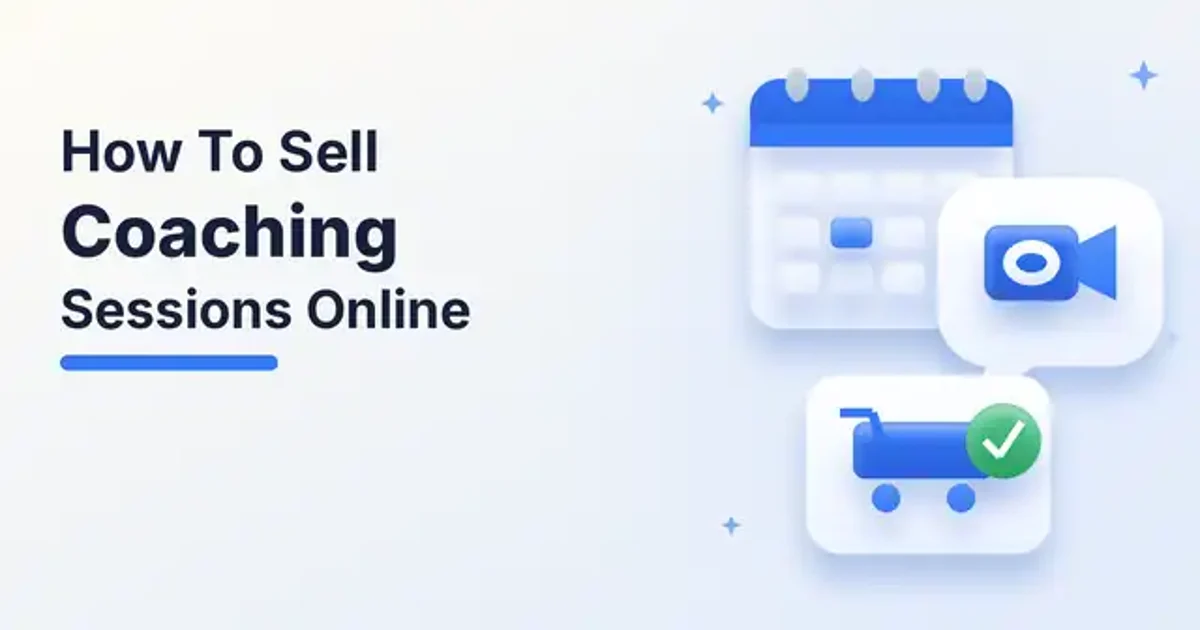
Whatever stack you choose, connect the same core pieces: a calendar for booking, video for the session, a payment flow for checkout, and a private place for resources and progress. When those live in one client journey, you spend less time sending links and more time coaching.
Test the full path yourself. Book a sample slot, pay with a test method if your processor allows it, open the client area, and join a dummy video link. Fix friction before you send traffic to the page.
Deliver sessions and market the offer
Delivery is part of the sale. Use your private client area for agendas, worksheets, and recordings so each call starts with context. Progress tracking and clear communication between sessions reduce no-shows and make renewals easier to ask for.
Market only after the purchase path works. Share short proof of the problem you solve, invite people to a discovery call or a first session, and point them to one primary checkout. Consistency beats channel hopping when your offer and delivery are already solid.
The online coaching market is projected to reach $17.33 billion by 2035, which is one reason coaches are consolidating tools instead of stringing together separate apps. Your advantage is not chasing every feature. It is a researched offer, a stack that fits your model, and a booking flow clients finish without confusion.
Put the workflow together
- Choose one audience and one outcome for the offer.
- Run short research calls and rewrite the offer from what you heard.
- Pick owned WordPress tooling or an all-in-one based on control versus speed.
- Package sessions with clear inclusions and boundaries.
- Connect calendar, payments, video, and a private delivery area.
- Test checkout end to end, then market one primary call to action.
Selling coaching sessions online becomes repeatable when positioning, research, packaging, and delivery stay in that order. Tools support the workflow. They should not invent the offer for you.